Beneath our seas lies a vast and dynamic world of marine habitats, rich with life and shaped by both natural and human influences. For our marine industry partners, operating sustainably means understanding the species and ecosystems their activities interact with. Environmental DNA (eDNA) analysis is a developing tool which can help build this ecological picture.
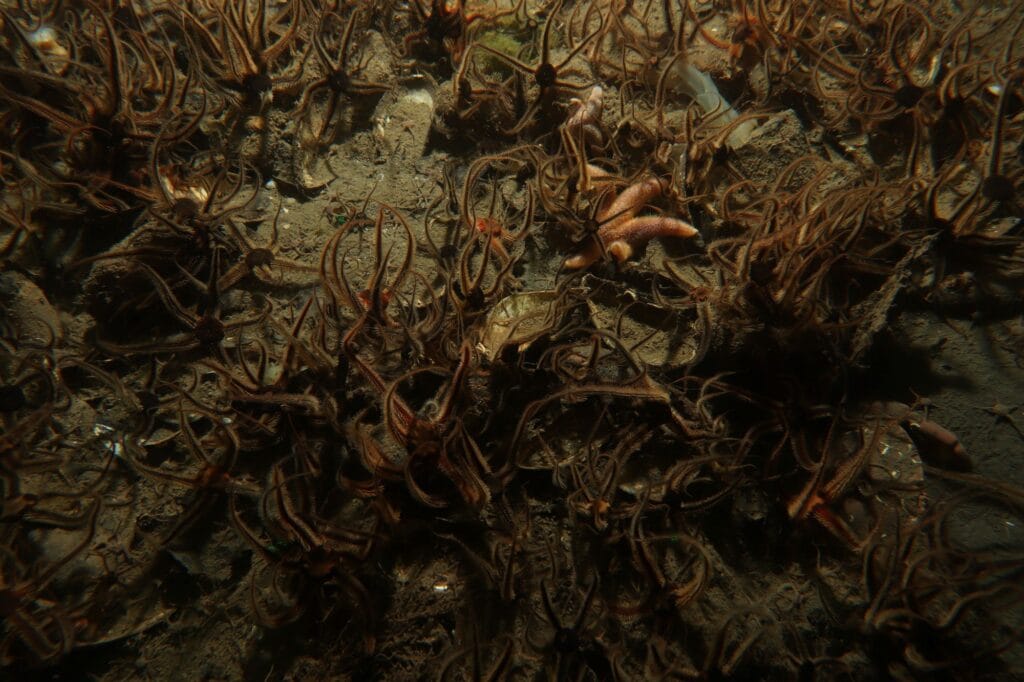
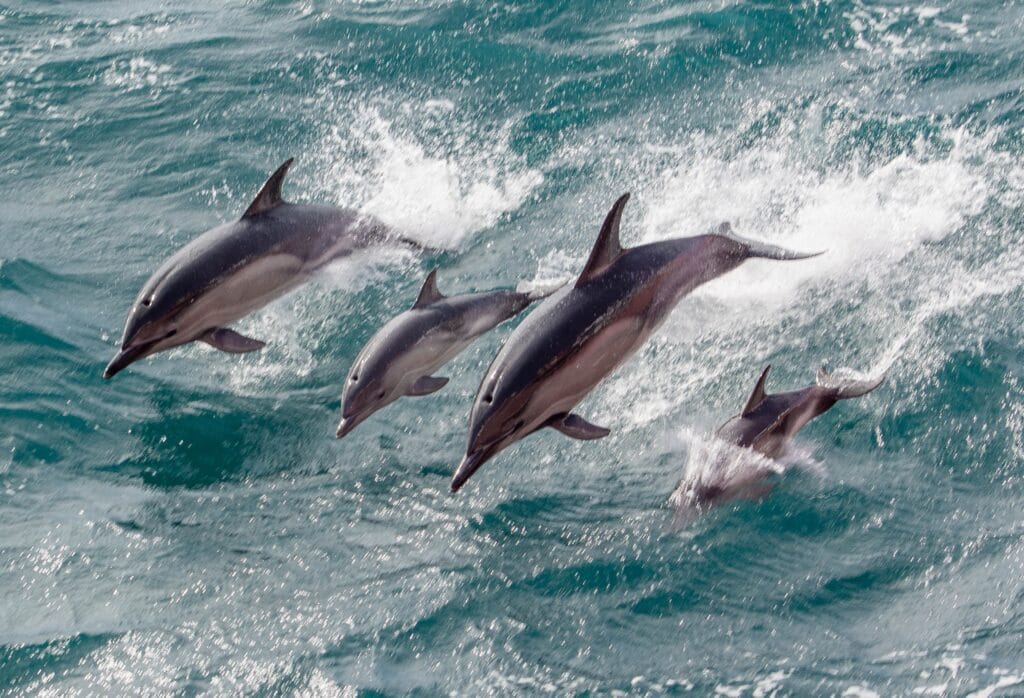
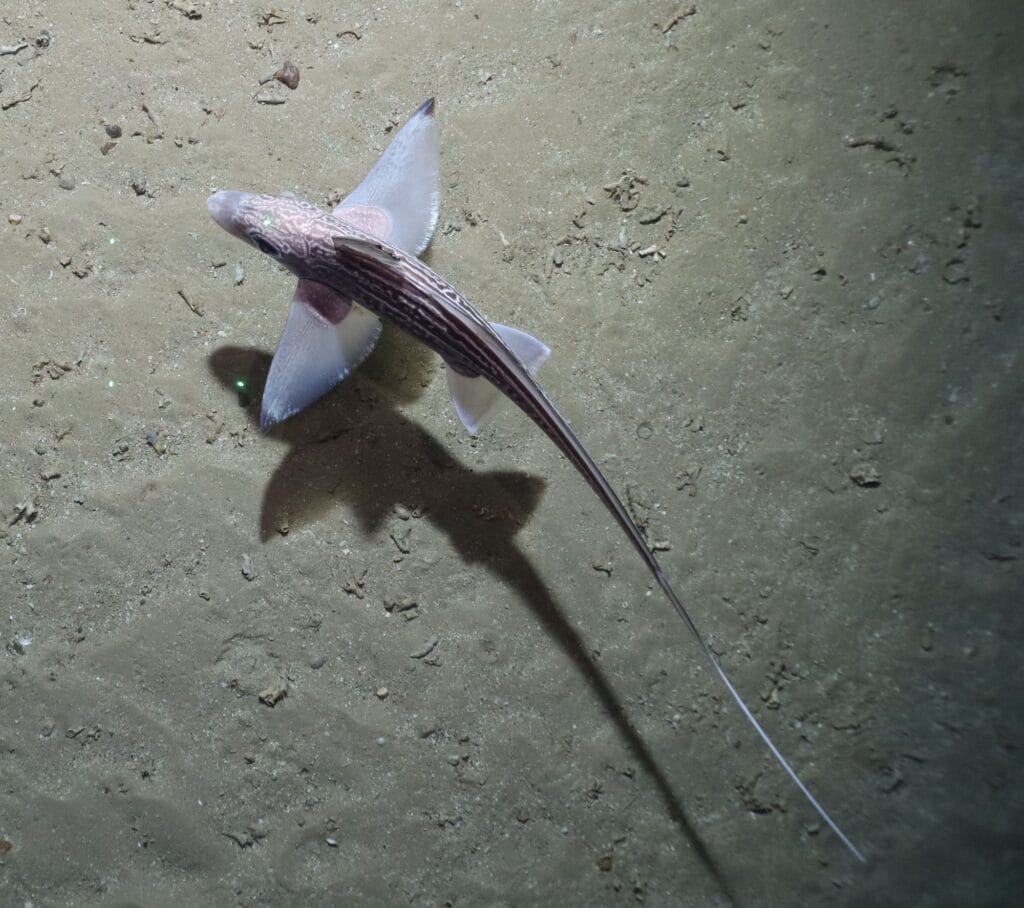
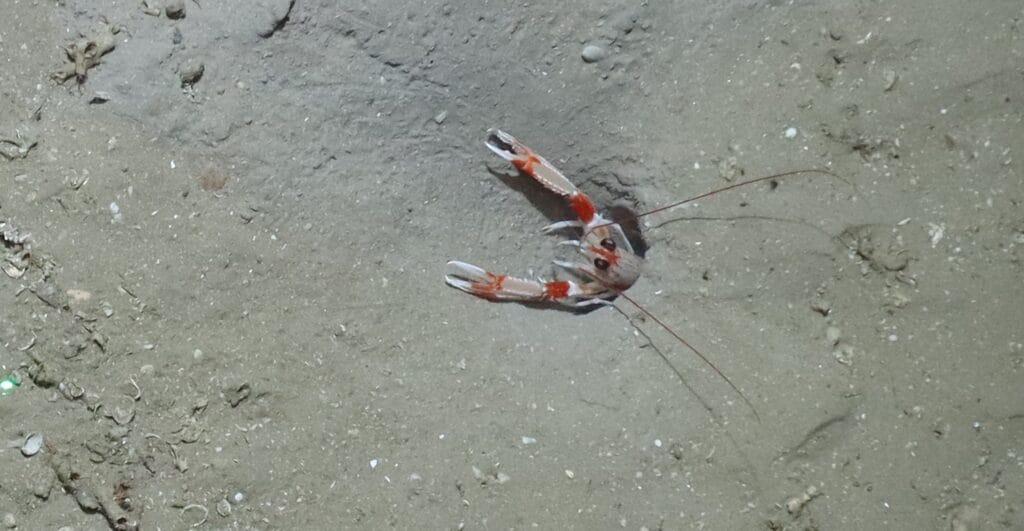
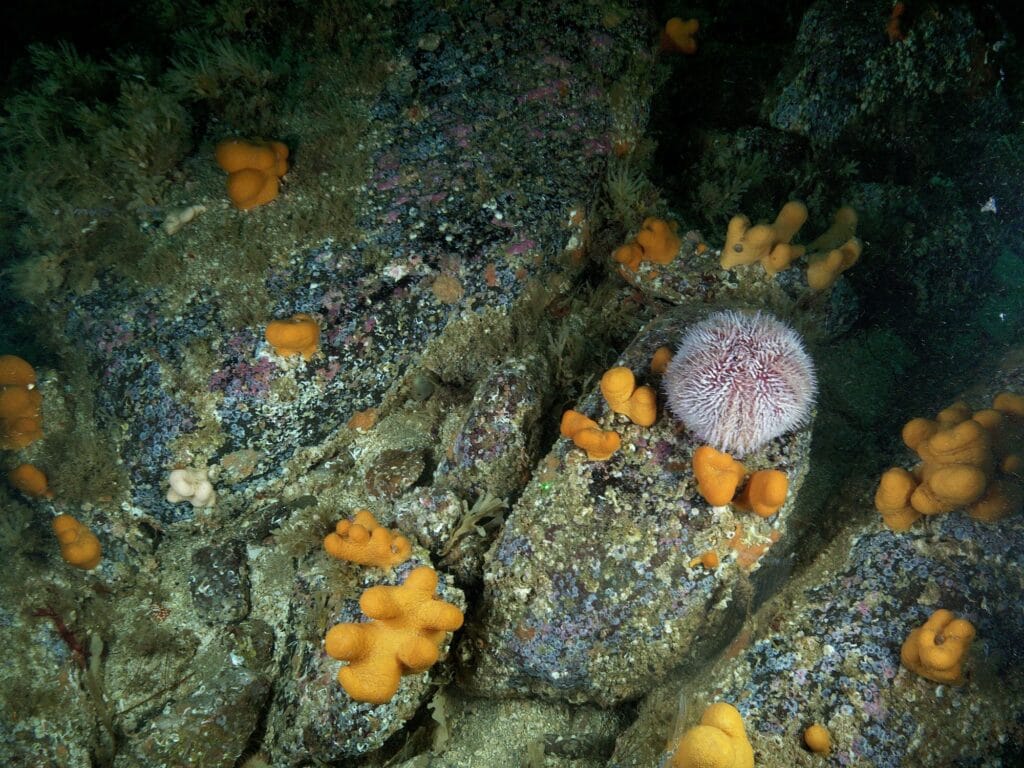
At Ocean Ecology, we use state-of-the-art eDNA techniques to detect marine biodiversity with accuracy, efficiency, and minimal environmental impact. This powerful approach is transforming how we survey and monitor life in our oceans.
How eDNA analysis works
eDNA refers to genetic material that organisms shed into their environment through skin cells, mucus and waste etc. In the marine environment, eDNA can be collected from both water and sediment samples and can be used in a highly focused way to target particular species or groups with a specific assay or in a much broader way to look for the presence of more diverse taxa using metabarcoding. This approach provides a highly-sensitive, non-invasive tool which can be used for numerous applications and can detect anything from microscopic organisms to large marine mammals.
The value of eDNA in marine monitoring
Traditional marine biodiversity assessments rely heavily on visual surveys, physical sampling, and taxonomic expertise. While effective, these methods can be time-consuming, invasive, and limited in scope. The introduction of eDNA analysis represents a significant development in how we study and manage marine environments by offering a complementary, highly-sensitive, non-invasive solution.

eDNA analysis can support a wide range of marine applications, including:
- Enhanced detection of conservation interest species
- Detection of cryptic, rare or transient species
- Tracking changes in community composition and biodiversity
- Early warning of Invasive Non-Native Species (INNS)
- Pathogen detection
- Supplementary data to support evidence-based regulatory submissions
- Biodiversity monitoring/assessments
- Benthic compliance for aquaculture
- Population studies
As the technology continues to mature, eDNA analysis is increasingly recognised by scientists, regulators, and marine industry stakeholders as a valuable complement to conventional ecological monitoring. It is especially effective in environments where traditional sampling is limited by cost, logistics or the sensitivity of the habitat.
How eDNA analysis helped planning for an offshore wind farm
We were tasked with conducting a subtidal environmental characterisation of a proposed wind farm site and cable area in Scotland. Along with traditional sampling methodologies, including grab sampling, drop-down camera and baited remote underwater video, eDNA samples were collected from both water and sediment.
The sediment eDNA sample provided evidence of the presence of the red algae INNS Bonnemaisonia hamifera which was not detected in the grab samples.
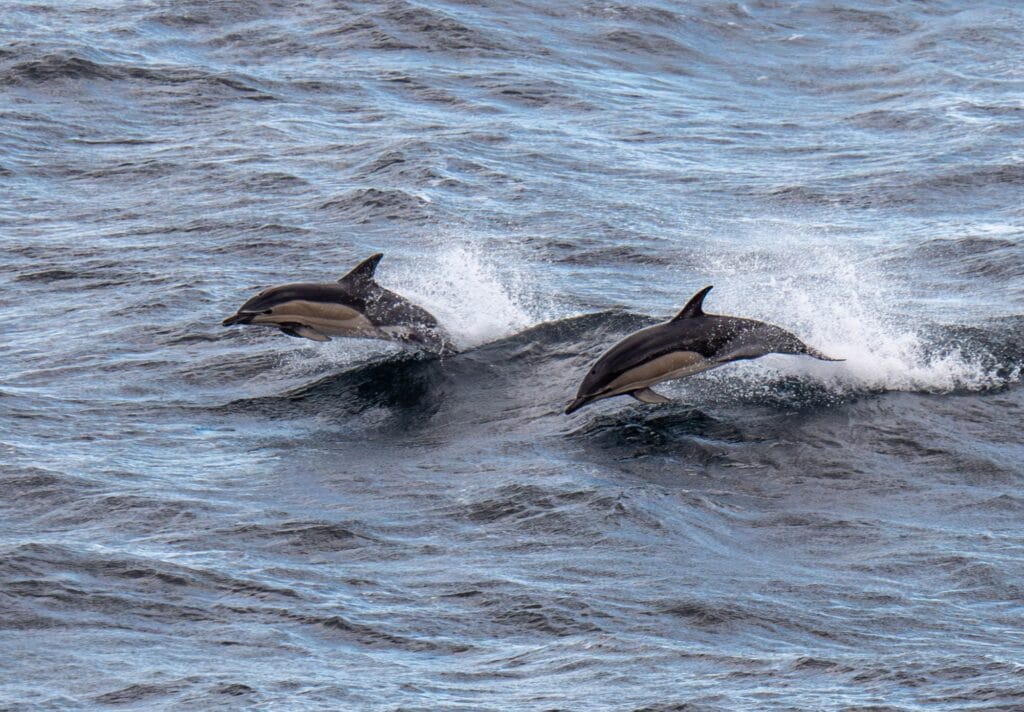
The water eDNA results led to the identification of a diverse fish community derived from 50 Operational Taxonomic Units representative of fish taxa. Of the fish identified, 11 were Priority Marine Feature species protected in Scottish waters, while a further 23 species were also listed as species of commercial importance in Scotland, and one species was classified as invasive. Six marine mammal taxa were also identified from water samples: seals from the family Phocidae, the common minke whale Balaenoptera acutorostrata, the common dolphin Delphinus delphis, dolphins from the family Lagenorhynchus, and the harbour porpoise Phocoena phocoena.
In this instance, the data from eDNA analysis was more comprehensive than that from traditional methods of analysis and it enabled our client to make better informed decisions regarding planning for the proposed development. And it clearly demonstrates how eDNA metabarcoding provides a non-destructive means of collecting insightful information on biodiversity and community composition which is complementary to traditional methods.