


Background to the Project
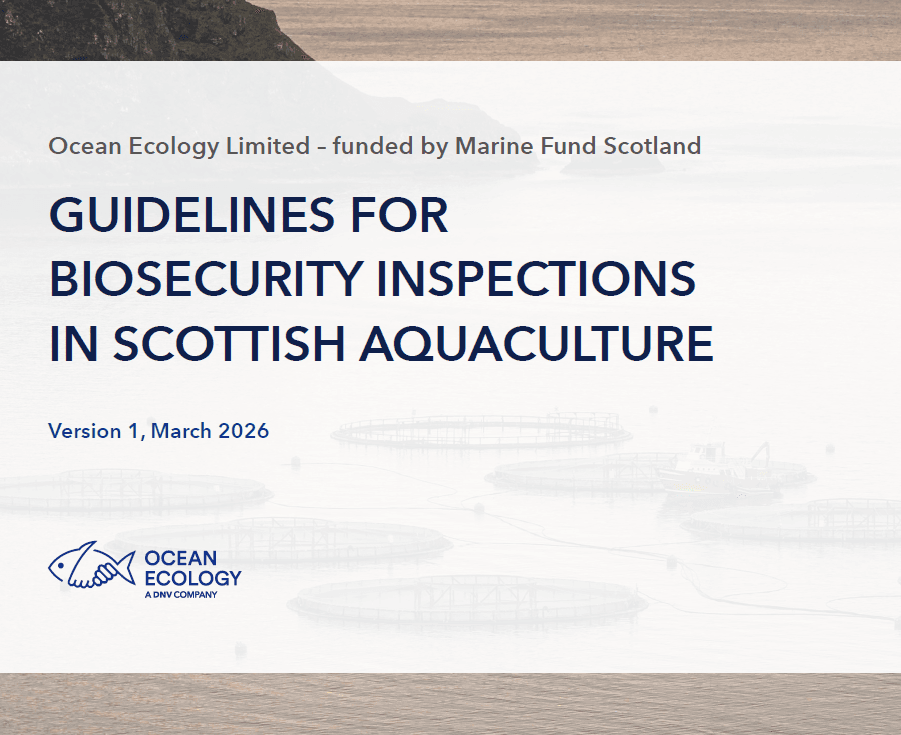
Through a project funded by Marine Fund Scotland, Ocean Ecology’s Fish Health Team developed and published updated, standardized guidelines for biosecurity inspections within Scottish aquaculture.
This guideline seeks to standardize how biosecurity inspections are undertaken, define good professional practice, and provide practical support for both experienced animal health professionals and early career personnel conducting inspections. While not a regulatory requirement, the guideline reflects current best practice informed by industry expertise and is intended to support efforts to reduce the spread of pathogens between aquaculture facilities.
Managing Biosecurity Risks
As aquaculture operations become increasingly interconnected through shared vessels, transport networks, and service providers, maintaining consistent biosecurity standards across the sector has become both more challenging and more critical. Effective biosecurity management plays a vital role in protecting fish health and welfare, reducing pathogen transmission risks, and supporting sustainable aquaculture operations.
All movements associated with aquaculture facilities carry an inherent risk of introducing or spreading infectious agents. As a result, biosecurity inspections represent a key control measure for managing risks associated with both transport and operational activities. Each task presents a distinct risk profile, influenced by factors such as the previous and upcoming locations of vessels or vehicles, the disease and health status of fish and sites involved in earlier activities, and the potential implications of those activities for future operations.
A biosecurity inspection involves the systematic assessment of vessels, lorries, and ancillary equipment that have come into direct contact with fish or with water used during transport, treatment, or other aquaculture related activities. Inspections also assess whether cleaning and disinfection practices are appropriate and effective. Such inspections may be undertaken to meet regulatory requirements, industry standards, or internal company procedures, or may be adopted voluntarily as best practice by operators. They can be carried out internally by wellboat or farming operators, or by third‑party service providers.
Approach
The project followed a structured five work package approach designed to review current practices, identify gaps, and incorporate stakeholder feedback throughout the guideline development process.
Key stages of the project included:
- Reviewing existing biosecurity inspection practices across seven salmon producing regions to identify current approaches, challenges and areas for improvement.
- Engaging with aquaculture operators, service providers, and strategic organizations through letters of support, questionnaires, interviews, and direct consultation.
- Delivering a dedicated biosecurity inspection workshop and presentating work at the Salmon Scotland technical seminar.
- Providing stakeholders with opportunities to review and contribute feedback on draft guideline content.
- Undertaking a validation experiment to assess all ATP meters (luminometers) currently in use within Scottish aquaculture for objective sampling during inspections.
The ATP meter validation work provided an evidence-based assessment of currently used inspection tools, helping to support greater consistency and confidence in objective cleanliness verification across the sector.
By working through each stage of the project and incorporating the extensive feedback received, Ocean Ecology’s Fish Health Team consolidated the knowledge gained to develop the standardized guidelines for biosecurity inspections.

Guideline Content and Supporting Resources
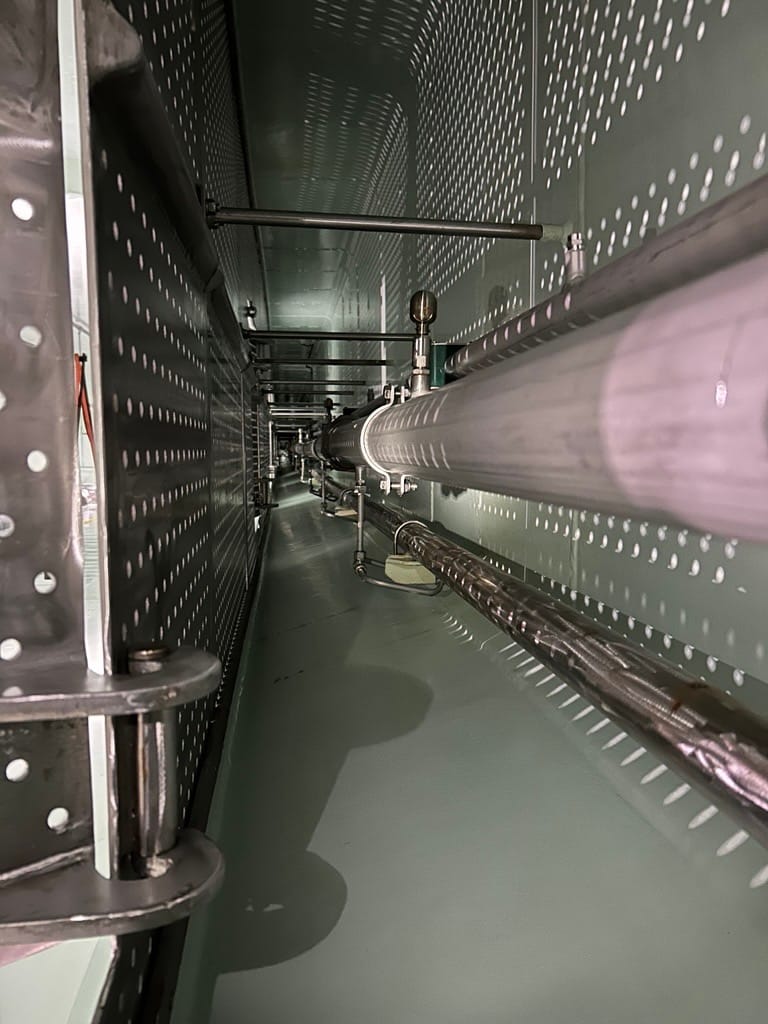
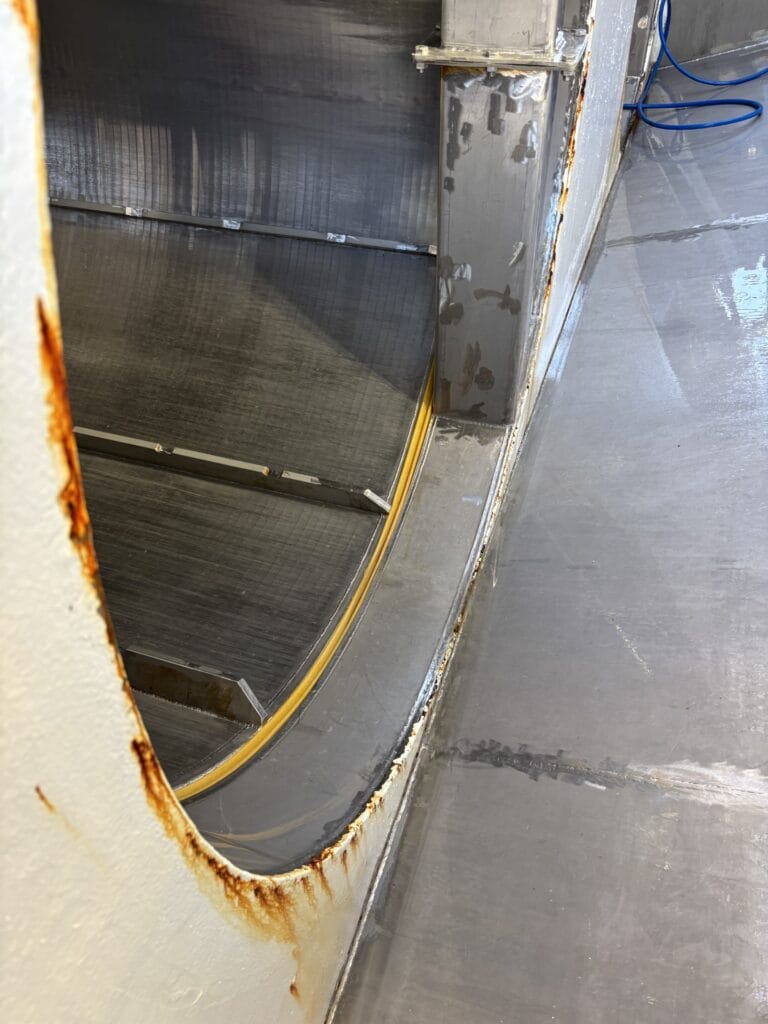
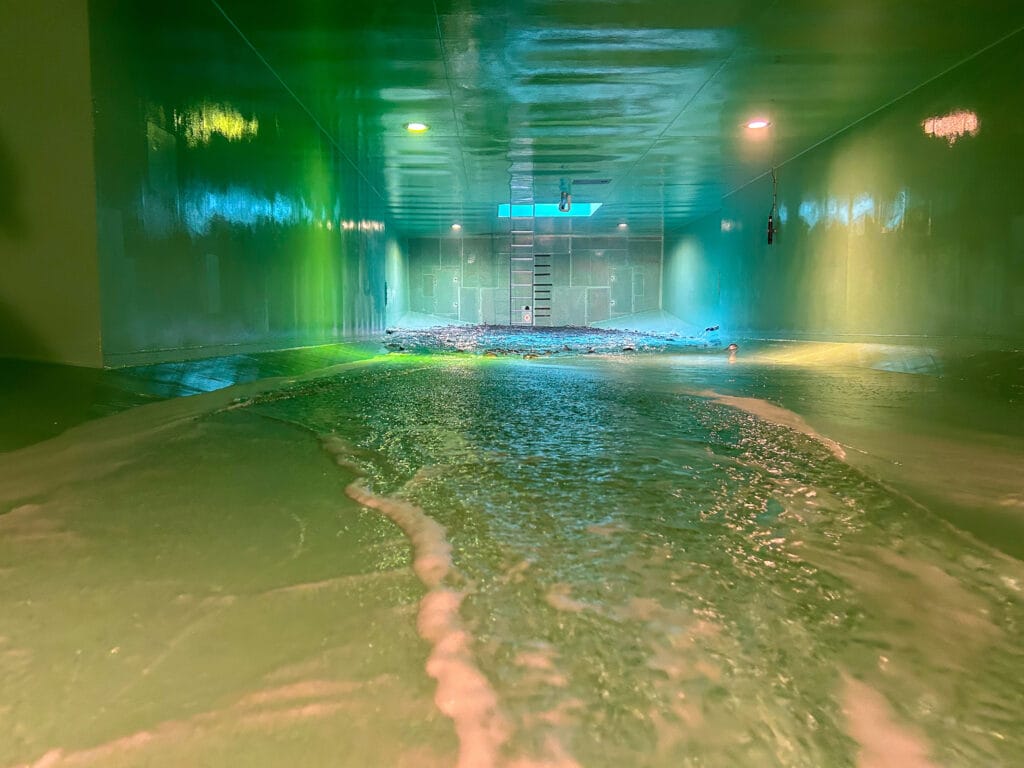
The guideline addresses key topics including cleaning and disinfection protocols, inherent biosecurity risks, and relevant regulations and industry standards. It outlines the five steps of a biosecurity inspection (preparation, documentation, health and safety, visual inspection, and objective sampling) alongside clearly defined responsibilities, the importance of training, and consideration of current limitations and future developments.
To support practical implementation, the guideline includes case studies aligned with highlighted topics, as well as a range of printable resources.
These include These include:
- HACCP flow chart to guide assessors through the inspection process
- Guidance on Critical Cleaning Areas (CCAs) for vessels, lorries, and equipment
- Ready‑made inspection documentation tailored to different inspection types.
By combining practical inspection guidance with supporting tools and resources, the guideline aims to improve repeatability, consistency, and confidence in inspection outcomes across a wide range of operational contexts.
Conclusions
Maintaining effective biosecurity as part of preventative health management depends on reliable, repeatable procedures that can be applied confidently across a range of sites and operational contexts. This guideline supports that objective by providing a clear and practical framework for practitioners at all experience levels, while promoting consistency and shared expectations across the sector.
By promoting a more standardized and evidence-based approach to inspections, the guideline contributes to improved sector-wide biosecurity resilience and supports ongoing efforts to strengthen fish health and welfare standards across Scottish aquaculture.
While developed specifically for Scottish aquaculture, the principles outlined within the guideline may also support broader discussions around harmonized biosecurity inspection practices in other aquaculture regions and internationally connected supply chains.
In doing so, the project supports the management of routine movements, fish handling, and operational activities in a manner that strengthens overall disease prevention and reinforces best practice biosecurity management throughout the sector.
Acknowledgements
The authors would like to thank the following parties for their help, advice, support and input, and without whom this project could not have succeeded: Salmon Scotland; SAIC, MOWI, Scottish Sea Farms, Cooke Scotland; Bakkafrost; Loch Duart; AquaGen; Hendrix Genetics; Pharmaq Analytiq: STIM; Migdale Transport: Sølvtrans; Trident Aqua Services; RSPCA Assured; Kames; Loch Alba Trout; Marine Directorate; DNV Life Sciences (images).


